Before the poisoning
The Blackwood Estate
For generations, the Blackwoods accumulated property and possessions inside their house, treating the familiar placement of each object as a defense against change. Their wealth and inherited status set them apart from the village and helped nourish a sense of superiority.
Before the poisoning
The Closed Path
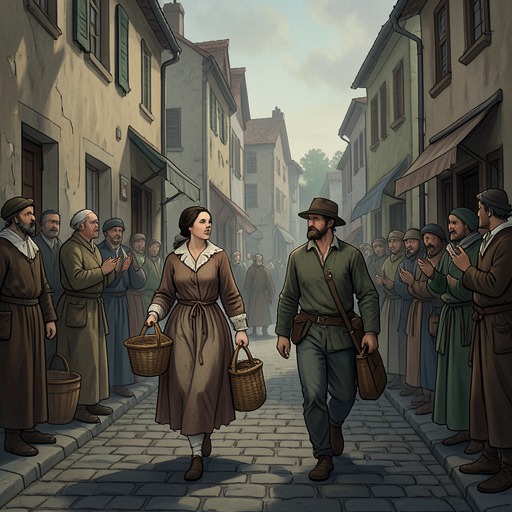
When [John Blackwood](entity:character-recall-character-john-blackwood-9d89ebf4ecb1) brought his wife to live at the estate, she objected to villagers using the path past her front door. John enclosed the property with fences and gates, posted trespassing signs, and turned a public shortcut into a private way home.
Before the poisoning
The Rochester Inheritance
[Constance Blackwood](entity:character-recall-character-constance-blackwood-c6ab3c27789e) and [Mary Katherine Blackwood](entity:character-recall-character-mary-katherine-blac-bddfee20436a) grew up hearing that their mother had been born in the grand [Rochester house](entity:location-recall-location-rochester-house-d9187855d23c), which the family believed should have belonged to them. Its decline in the village became another emblem of what the Blackwoods felt they had lost.
The morning of the poisoning
The Family's Last Breakfast
On the day the family would later call its last, the household followed its ordinary routines. [Julian Blackwood](entity:character-recall-character-julian-blackwood-4ccce9bb8660) remembered [John Blackwood](entity:character-recall-character-john-blackwood-9d89ebf4ecb1) leaving on business, while the family ate together and went about its separate work, unaware that the day would become the center of their lives.
The evening of the poisoning
The Poisoned Sugar
At the family dinner, arsenic was in the sugar bowl. [Julian Blackwood](entity:character-recall-character-julian-blackwood-4ccce9bb8660) used some on his berries, but [Constance Blackwood](entity:character-recall-character-constance-blackwood-c6ab3c27789e) rarely took sugar and [Mary Katherine Blackwood](entity:character-recall-character-mary-katherine-blac-bddfee20436a) was not at the table; those differences shaped who survived.
That night
The Family's Deaths
The poisoned meal killed [John Blackwood](entity:character-recall-character-john-blackwood-9d89ebf4ecb1), his wife, their son [Thomas Blackwood](entity:character-recall-character-thomas-blackwood-49ce67a5ec5d), and [Julian Blackwood](entity:character-recall-character-julian-blackwood-4ccce9bb8660)'s wife [Dorothy](entity:character-recall-character-dorothy-b763ef1a8c45). Julian Blackwood also became gravely ill, but survived; the deaths emptied the household and left the surviving family bound to a terrible mystery.
Immediately after the poisoning
The Sugar Bowl Was Washed
After the family began to die, [Constance Blackwood](entity:character-recall-character-constance-blackwood-c6ab3c27789e) did not call a doctor until it was too late. She emptied and scrubbed the sugar bowl, explaining that there had been a spider in it; the act became one of the most suspicious details in the case.
Six years before the opening
The Trial and Acquittal
[Constance Blackwood](entity:character-recall-character-constance-blackwood-c6ab3c27789e) was tried for the family's deaths and acquitted. [Mary Katherine Blackwood](entity:character-recall-character-mary-katherine-blac-bddfee20436a), then a child, was excluded from the courtroom and left in an orphanage during the trial, while public attention fixed on Constance as the accused survivor.
The six years after the poisoning
Six Years of Seclusion
After the trial, [Constance Blackwood](entity:character-recall-character-constance-blackwood-c6ab3c27789e), [Mary Katherine Blackwood](entity:character-recall-character-mary-katherine-blac-bddfee20436a), and the increasingly frail [Julian Blackwood](entity:character-recall-character-julian-blackwood-4ccce9bb8660) lived at [Blackwood house](entity:location-recall-location-blackwood-house-a436de7e6f1d), withdrawing from ordinary contact. Constance cooked and cared for Julian; Mary Katherine handled the necessary trips into the village and built a private system of protective rituals.
During the six years after the poisoning
The Villagers' Refrain
The village turned the poisoning into a children's rhyme that taunted the sisters, and [Mary Katherine Blackwood](entity:character-recall-character-mary-katherine-blac-bddfee20436a) came to expect mockery wherever she went. The hostility reinforced her belief that outsiders were dangerous strangers and that the family estate had to remain sealed.
Late April Friday morning
The Friday Errand
At eighteen, [Mary Katherine Blackwood](entity:character-recall-character-mary-katherine-blac-bddfee20436a) went into the village for library books and groceries, carrying out the twice-weekly errand because [Constance Blackwood](entity:character-recall-character-constance-blackwood-c6ab3c27789e) would not leave the garden and [Julian Blackwood](entity:character-recall-character-julian-blackwood-4ccce9bb8660) could not. She moved through the town as if crossing a game board full of hazards.
Late April Friday morning
The Grocery's Hostility
At the grocery, [Mary Katherine Blackwood](entity:character-recall-character-mary-katherine-blac-bddfee20436a) was served while the women watched and whispered. When she mentioned the family's fine table, the villagers' interest in Blackwood wealth and their old resentment surfaced again, and she silently imagined them dying for their cruelty.
Late April Friday morning
Jim Donell's Taunts
At [Stella](entity:character-recall-character-stella-1c92ed1acee3)'s, [Jim Donell](entity:character-recall-character-jim-donell-6a275da89e0c) baited [Mary Katherine Blackwood](entity:character-recall-character-mary-katherine-blac-bddfee20436a) with a rumor that the sisters were moving away. He mocked the family's status and old grievances while Stella tried to intervene, making the small coffee stop another ordeal of public humiliation.
Late April Friday morning
The Children's Poisoning Rhyme
On her way home, [Mary Katherine Blackwood](entity:character-recall-character-mary-katherine-blac-bddfee20436a) passed children repeating the rhyme about [Constance Blackwood](entity:character-recall-character-constance-blackwood-c6ab3c27789e) poisoning her. She kept walking despite the taunts, using her imagined moon refuge to endure the village's open contempt.
Late April Friday afternoon
The Locked Gate
At the black rock, [Mary Katherine Blackwood](entity:character-recall-character-mary-katherine-blac-bddfee20436a) unlocked the estate gate, carried her purchases inside, then locked it behind her. The fence and private path marked the boundary between a hostile village and the protected world she shared with her sister.
Late April Friday afternoon
Constance's Welcome
[Constance Blackwood](entity:character-recall-character-constance-blackwood-c6ab3c27789e) met her sister near the garden and helped carry the groceries home. Their affectionate reunion showed how thoroughly their lives had narrowed around one another and the familiar household routine.
Late April Friday afternoon
The Household's Food Ritual
In the kitchen, [Constance Blackwood](entity:character-recall-character-constance-blackwood-c6ab3c27789e) put away the food and planned a meal, while [Mary Katherine Blackwood](entity:character-recall-character-mary-katherine-blac-bddfee20436a) stayed clear of food preparation. [Julian Blackwood](entity:character-recall-character-julian-blackwood-4ccce9bb8660) worked at his papers nearby, and Mary Katherine reminded herself to be kinder to him.
That Friday afternoon
Helen Clarke's Visit
[Helen Clarke](entity:character-recall-character-helen-clarke-7881f2da408b) arrived for tea with Lucille Wright, surprising the sisters with an unexpected guest. [Constance Blackwood](entity:character-recall-character-constance-blackwood-c6ab3c27789e) received them despite her fear of the outside world, while [Mary Katherine Blackwood](entity:character-recall-character-mary-katherine-blac-bddfee20436a) watched closely for signs that the visit was becoming a threat.
During the Friday tea visit
Helen's Advice
[Helen Clarke](entity:character-recall-character-helen-clarke-7881f2da408b) urged [Constance Blackwood](entity:character-recall-character-constance-blackwood-c6ab3c27789e) to stop hiding and return to ordinary social life, suggesting visits, new clothes, and a luncheon. Constance listened with more openness than Mary Katherine expected, making the possibility of change feel immediate and frightening.
During the Friday tea visit
Julian Recounts the Poisoning
[Julian Blackwood](entity:character-recall-character-julian-blackwood-4ccce9bb8660) joined the guests and, with eager attention to the case, described the poisoned dinner, the arsenic, and the household's final meal. Lucille Wright's curiosity drew him on, while [Helen Clarke](entity:character-recall-character-helen-clarke-7881f2da408b) tried to shut down the subject.
During the Friday tea visit
The Unanswered Question
Lucille Wright asked why [Constance Blackwood](entity:character-recall-character-constance-blackwood-c6ab3c27789e) might have poisoned the family, but no one offered a clear answer. [Julian Blackwood](entity:character-recall-character-julian-blackwood-4ccce9bb8660)'s notes preserved details rather than resolving the mystery, and the sisters treated the conversation with a mixture of amusement and discomfort.
After the Friday tea visit
Constance Considers Leaving
After the visitors departed, [Constance Blackwood](entity:character-recall-character-constance-blackwood-c6ab3c27789e) admitted that she did not know whether she would follow [Helen Clarke](entity:character-recall-character-helen-clarke-7881f2da408b)'s advice. [Mary Katherine Blackwood](entity:character-recall-character-mary-katherine-blac-bddfee20436a)'s fear of losing their secluded life sharpened as Constance began to imagine a world beyond the house.
The following Saturday and Sunday
The Weekly Safeguards
[Mary Katherine Blackwood](entity:character-recall-character-mary-katherine-blac-bddfee20436a) described the weekly structure that kept the estate secure: checking the fence, tending buried objects, dressing in the family's old clothes, and helping [Constance Blackwood](entity:character-recall-character-constance-blackwood-c6ab3c27789e) preserve food. These repeated acts gave her a sense that the household could be protected from change.
The following Saturday morning
Julian's Failing Health
[Julian Blackwood](entity:character-recall-character-julian-blackwood-4ccce9bb8660) was confused and unwell, mistaking [Constance Blackwood](entity:character-recall-character-constance-blackwood-c6ab3c27789e) for his wife [Dorothy](entity:character-recall-character-dorothy-b763ef1a8c45) and recalling the morning of the poisoning. Constance cared for him while Mary Katherine watched, worried by his decline and by the possibility that their settled life might not last.
The following Saturday late morning
The Doctor's Visit
[Dr. Levy](entity:character-recall-character-dr-levy-f5e9b1f2c22a) arrived for [Julian Blackwood](entity:character-recall-character-julian-blackwood-4ccce9bb8660)'s regular checkup. Julian mistook him for the long-dead doctor he remembered, and the visit exposed how deeply the past still governed his mind.
The following Sunday morning
The Broken Protective Book
While making her rounds, [Mary Katherine Blackwood](entity:character-recall-character-mary-katherine-blac-bddfee20436a) found [John Blackwood](entity:character-recall-character-john-blackwood-9d89ebf4ecb1)'s old notebook fallen from the tree where she had nailed it as protection. She believed its failure had weakened the boundary around the house, but did not know that an unwelcome visitor was already approaching.
The following Sunday afternoon
The Cousin at the Door
A man arrived in the rain and called for [Constance Blackwood](entity:character-recall-character-constance-blackwood-c6ab3c27789e). [Mary Katherine Blackwood](entity:character-recall-character-mary-katherine-blac-bddfee20436a) recognized the old pattern of visitors demanding access and braced herself against the front door, while Constance was occupied with [Julian Blackwood](entity:character-recall-character-julian-blackwood-4ccce9bb8660).
The following Sunday afternoon
Charles Enters the House
The visitor was [Charles Blackwood](entity:character-recall-character-charles-blackwood-0f0209fc7ec6), the sisters' cousin, who resembled their father. [Constance Blackwood](entity:character-recall-character-constance-blackwood-c6ab3c27789e) welcomed him inside, and his arrival shattered [Mary Katherine Blackwood](entity:character-recall-character-mary-katherine-blac-bddfee20436a)'s sense that the estate was protected from intrusion.
The following Sunday evening
Mary Katherine Flees
Overwhelmed by [Charles Blackwood](entity:character-recall-character-charles-blackwood-0f0209fc7ec6)'s presence and [Constance Blackwood](entity:character-recall-character-constance-blackwood-c6ab3c27789e)'s decision to let him in, [Mary Katherine Blackwood](entity:character-recall-character-mary-katherine-blac-bddfee20436a) ran to her hiding place by the creek. She blamed the fallen notebook and imagined that replacing it could restore the household's defenses.
Monday morning
Charles Is Still There
[Mary Katherine Blackwood](entity:character-recall-character-mary-katherine-blac-bddfee20436a) returned to find [Charles Blackwood](entity:character-recall-character-charles-blackwood-0f0209fc7ec6) still in the house, having spent the night there. Constance tried to reassure her and explained that he was family, but Mary Katherine struggled to accept any change in their closed domestic world.
Monday morning
The First Breakfast Together
[Charles Blackwood](entity:character-recall-character-charles-blackwood-0f0209fc7ec6) joined [Constance Blackwood](entity:character-recall-character-constance-blackwood-c6ab3c27789e), [Julian Blackwood](entity:character-recall-character-julian-blackwood-4ccce9bb8660), and [Mary Katherine Blackwood](entity:character-recall-character-mary-katherine-blac-bddfee20436a) in the kitchen. Julian questioned him about the family and its past, while Mary Katherine stayed wary; Charles's confident manner made him feel like an occupying presence.
Monday morning
Charles Rejects the Past
When [Julian Blackwood](entity:character-recall-character-julian-blackwood-4ccce9bb8660) tried to discuss the trial and the poisoning, [Charles Blackwood](entity:character-recall-character-charles-blackwood-0f0209fc7ec6) dismissed the subject as something best forgotten. Julian's insistence on recording the history clashed with Charles's wish to control what the household discussed.
Monday morning
The House Is Neatened
[Constance Blackwood](entity:character-recall-character-constance-blackwood-c6ab3c27789e) and [Mary Katherine Blackwood](entity:character-recall-character-mary-katherine-blac-bddfee20436a) carried out their usual cleaning, but [Charles Blackwood](entity:character-recall-character-charles-blackwood-0f0209fc7ec6)'s presence made their ritual feel exposed. Mary Katherine polished the objects he had touched and tried to erase his mark from the house.
Monday evening
Charles Takes Father's Place
At dinner, [Charles Blackwood](entity:character-recall-character-charles-blackwood-0f0209fc7ec6) sat in [John Blackwood](entity:character-recall-character-john-blackwood-9d89ebf4ecb1)'s chair and ate while [Julian Blackwood](entity:character-recall-character-julian-blackwood-4ccce9bb8660) returned to memories of the family. Charles rebuked Julian for dwelling on the past, and Mary Katherine saw him claiming more of the house's space and authority.
Monday evening
The Mushroom Warning
When [Charles Blackwood](entity:character-recall-character-charles-blackwood-0f0209fc7ec6) proposed taking over [Mary Katherine Blackwood](entity:character-recall-character-mary-katherine-blac-bddfee20436a)'s village errands, she recited the symptoms and progress of death-cap poisoning. The warning unsettled him and reminded the household that the old crime remained an active presence between them.
Tuesday morning
Charles Takes the Errand
[Constance Blackwood](entity:character-recall-character-constance-blackwood-c6ab3c27789e) gave [Charles Blackwood](entity:character-recall-character-charles-blackwood-0f0209fc7ec6) the gate key, money, and a shopping list, allowing him to take over [Mary Katherine Blackwood](entity:character-recall-character-mary-katherine-blac-bddfee20436a)'s trip to the village. Mary Katherine resented the intrusion but also recognized that the route might carry him away from the house.
Tuesday morning
The Forgotten Library Books
After [Charles Blackwood](entity:character-recall-character-charles-blackwood-0f0209fc7ec6) left, [Mary Katherine Blackwood](entity:character-recall-character-mary-katherine-blac-bddfee20436a) realized that he had forgotten the library books. She treated the omission as evidence that he did not belong in their home and tried to recover the old sense of safety through familiar routines.
Tuesday afternoon
The Gold Chain in the Tree
[Mary Katherine Blackwood](entity:character-recall-character-mary-katherine-blac-bddfee20436a) entered [John Blackwood](entity:character-recall-character-john-blackwood-9d89ebf4ecb1)'s room and took the gold watch chain from its box. Instead of burying it, she nailed it to a tree as a protective offering, disturbing a family possession that [Charles Blackwood](entity:character-recall-character-charles-blackwood-0f0209fc7ec6) had been eyeing.
Tuesday evening
Charles Finds the Chain
[Charles Blackwood](entity:character-recall-character-charles-blackwood-0f0209fc7ec6) discovered the gold chain nailed to a tree and was furious that a valuable object had been treated as worthless. [Constance Blackwood](entity:character-recall-character-constance-blackwood-c6ab3c27789e) identified Mary Katherine as the likely culprit, while Charles began to understand that she was actively resisting him.
A few days after Charles's arrival
Mary Katherine Asks Him to Leave
As [Charles Blackwood](entity:character-recall-character-charles-blackwood-0f0209fc7ec6)'s belongings spread through the house, [Mary Katherine Blackwood](entity:character-recall-character-mary-katherine-blac-bddfee20436a) finally asked him politely to leave. He refused, then warned that one of them might not be there a month later, making his visit feel like a contest for control.
Immediately after the refusal
The Mirror Is Smashed
[Mary Katherine Blackwood](entity:character-recall-character-mary-katherine-blac-bddfee20436a) ran upstairs and struck the mirror in [John Blackwood](entity:character-recall-character-john-blackwood-9d89ebf4ecb1)'s room until it cracked. The destructive gesture was another attempt to break [Charles Blackwood](entity:character-recall-character-charles-blackwood-0f0209fc7ec6)'s hold on the household through the magical rules she had made for herself.
The following days
Constance Reconsiders Her Duty
[Constance Blackwood](entity:character-recall-character-constance-blackwood-c6ab3c27789e) began to believe she had failed [Julian Blackwood](entity:character-recall-character-julian-blackwood-4ccce9bb8660) and [Mary Katherine Blackwood](entity:character-recall-character-mary-katherine-blac-bddfee20436a) by allowing them to remain hidden for years. [Charles Blackwood](entity:character-recall-character-charles-blackwood-0f0209fc7ec6) encouraged her doubts, and her new concern for normality made Mary Katherine fear that their bond and way of life were breaking apart.
The following days
Charles Claims the Household
[Charles Blackwood](entity:character-recall-character-charles-blackwood-0f0209fc7ec6) increasingly interfered with the sisters' routines, criticized [Julian Blackwood](entity:character-recall-character-julian-blackwood-4ccce9bb8660)'s dependence, and handled family possessions as if they were his. [Constance Blackwood](entity:character-recall-character-constance-blackwood-c6ab3c27789e) accepted his help, while Mary Katherine saw the house becoming less familiar and less secure.
The following days
The Village Watches Charles
[Mary Katherine Blackwood](entity:character-recall-character-mary-katherine-blac-bddfee20436a) followed [Charles Blackwood](entity:character-recall-character-charles-blackwood-0f0209fc7ec6) toward the village and saw him talking with [Stella](entity:character-recall-character-stella-1c92ed1acee3) and sitting among the men. His easy contact with the villagers sharpened her fear that he could belong to their world and make her own place in the house less certain.
The following days
Charles Wants the Family Papers
[Charles Blackwood](entity:character-recall-character-charles-blackwood-0f0209fc7ec6) asked to inspect [John Blackwood](entity:character-recall-character-john-blackwood-9d89ebf4ecb1)'s papers and the family safe. [Julian Blackwood](entity:character-recall-character-julian-blackwood-4ccce9bb8660) objected fiercely, protecting his own notes as well, while [Constance Blackwood](entity:character-recall-character-constance-blackwood-c6ab3c27789e) struggled to keep peace between the men.
The following days
Julian Defends His Papers
Fearing [Charles Blackwood](entity:character-recall-character-charles-blackwood-0f0209fc7ec6) would take his work, [Julian Blackwood](entity:character-recall-character-julian-blackwood-4ccce9bb8660) demanded a box for his papers and called Charles dishonest. [Constance Blackwood](entity:character-recall-character-constance-blackwood-c6ab3c27789e) brought him one from the cellar, but her worry that Julian belonged in a hospital revealed how strongly Charles had altered her judgment.
That evening
Constance Plays the Harp
[Constance Blackwood](entity:character-recall-character-constance-blackwood-c6ab3c27789e) played the harp in the drawing room, restoring for a time the house's old quiet and grace. [Charles Blackwood](entity:character-recall-character-charles-blackwood-0f0209fc7ec6) interrupted to ask whether a [Dresden figurine](entity:object-recall-object-dresden-6e0c03b7938d) was valuable, exposing how differently he regarded the family's cherished objects.
Thursday morning
Mary Katherine Alters Charles's Room
[Mary Katherine Blackwood](entity:character-recall-character-mary-katherine-blac-bddfee20436a) secretly emptied [Charles Blackwood](entity:character-recall-character-charles-blackwood-0f0209fc7ec6)'s room, replacing books and bedding with sticks, leaves, and debris. She soaked the bed and stripped the room of familiar objects, hoping that if the house no longer felt like his, he would leave.
Thursday morning
The Buried Silver Is Found
[Charles Blackwood](entity:character-recall-character-charles-blackwood-0f0209fc7ec6) found [Mary Katherine Blackwood](entity:character-recall-character-mary-katherine-blac-bddfee20436a)'s buried silver dollars near the creek and accused her of hiding family money. [Constance Blackwood](entity:character-recall-character-constance-blackwood-c6ab3c27789e) treated the burial as one of her sister's habits, but Charles's greed transformed the discovery into another fight over ownership.
Thursday afternoon
The Empty Room Is Exposed
[Charles Blackwood](entity:character-recall-character-charles-blackwood-0f0209fc7ec6) discovered the wrecked state of his room and demanded that [Mary Katherine Blackwood](entity:character-recall-character-mary-katherine-blac-bddfee20436a) explain herself. He threatened to discipline her, while [Constance Blackwood](entity:character-recall-character-constance-blackwood-c6ab3c27789e) apologized and [Julian Blackwood](entity:character-recall-character-julian-blackwood-4ccce9bb8660) became confused and combative, leaving Mary Katherine feeling trapped.
Thursday afternoon
Mary Katherine Retreats to the Summerhouse
Unable to bear [Charles Blackwood](entity:character-recall-character-charles-blackwood-0f0209fc7ec6)'s threats, [Mary Katherine Blackwood](entity:character-recall-character-mary-katherine-blac-bddfee20436a) fled to the abandoned summerhouse. There she imagined the dead family gathered around the table, indulging and protecting her as the child she had once been.
Thursday afternoon
The Imagined Family Table
In the summerhouse, [Mary Katherine Blackwood](entity:character-recall-character-mary-katherine-blac-bddfee20436a) reconstructed the family dinner in her mind and placed herself in her rightful seat. Her fantasy of unconditional protection revealed how her magical refuge fused with an unresolved memory of childhood indulgence and punishment.
Thursday evening
The Sisters Return to Dinner
[Mary Katherine Blackwood](entity:character-recall-character-mary-katherine-blac-bddfee20436a) returned to [Blackwood house](entity:location-recall-location-blackwood-house-a436de7e6f1d) and found [Charles Blackwood](entity:character-recall-character-charles-blackwood-0f0209fc7ec6) still railing against her. She went upstairs, washed, and came back to the table, where Charles continued to threaten her and Constance tried to keep dinner orderly.
Thursday evening
Charles's Pipe Starts the Fire
[Charles Blackwood](entity:character-recall-character-charles-blackwood-0f0209fc7ec6)'s unattended pipe ignited a fire in the room he had occupied. He ran downstairs and raised the alarm, while [Constance Blackwood](entity:character-recall-character-constance-blackwood-c6ab3c27789e) and [Mary Katherine Blackwood](entity:character-recall-character-mary-katherine-blac-bddfee20436a) led [Julian Blackwood](entity:character-recall-character-julian-blackwood-4ccce9bb8660) out as smoke spread through the upper floors.
Thursday evening
The Family Escapes the Flames
[Charles Blackwood](entity:character-recall-character-charles-blackwood-0f0209fc7ec6) ran toward the village for help, shouting that the house was burning. [Constance Blackwood](entity:character-recall-character-constance-blackwood-c6ab3c27789e) and [Mary Katherine Blackwood](entity:character-recall-character-mary-katherine-blac-bddfee20436a) waited on the porch with [Julian Blackwood](entity:character-recall-character-julian-blackwood-4ccce9bb8660) as firefighters and villagers poured onto the estate.
Thursday night
The Villagers Break the House
Once the fire was under control, [Jim Donell](entity:character-recall-character-jim-donell-6a275da89e0c) smashed a tall window with a rock, and the crowd surged into the house. The villagers broke furniture, dishes, and treasured family objects while repeating the children's rhyme and turning the fire into an occasion for revenge.
Thursday night
The Sisters Flee to the Woods
As the mob surrounded them, [Mary Katherine Blackwood](entity:character-recall-character-mary-katherine-blac-bddfee20436a) pulled [Constance Blackwood](entity:character-recall-character-constance-blackwood-c6ab3c27789e) through the crowd and toward the woods. Villagers blocked their way and mocked them, but the sisters escaped into the darkness with [Jonas](entity:character-recall-character-jonas-6d084e0f086a).
Thursday night
Julian's Death Is Announced
[Jim Clarke](entity:character-recall-character-jim-clarke-3d44ef90c71d) stopped the crowd long enough to announce that [Julian Blackwood](entity:character-recall-character-julian-blackwood-4ccce9bb8660) had died. [Dr. Levy](entity:character-recall-character-dr-levy-f5e9b1f2c22a) confirmed that Julian had died from his longstanding illness, not from any fresh violence, and the news briefly silenced the villagers.
Late Thursday night
The Sisters Reach the Hiding Place
[Mary Katherine Blackwood](entity:character-recall-character-mary-katherine-blac-bddfee20436a) led [Constance Blackwood](entity:character-recall-character-constance-blackwood-c6ab3c27789e) to her hiding place near the creek, where [Jonas](entity:character-recall-character-jonas-6d084e0f086a) had found shelter. She covered her sister with [Julian Blackwood](entity:character-recall-character-julian-blackwood-4ccce9bb8660)'s shawl and tried to make the small refuge feel like the moon she had long imagined.
Late Thursday night
Mary Katherine Confesses
In the hiding place, [Mary Katherine Blackwood](entity:character-recall-character-mary-katherine-blac-bddfee20436a) said she would put death in the villagers' food. [Constance Blackwood](entity:character-recall-character-constance-blackwood-c6ab3c27789e) asked whether she meant the same way as before, and Mary Katherine admitted that she had poisoned the family years earlier.
Friday morning
The Sisters Return to the Ruin
After [Julian Blackwood](entity:character-recall-character-julian-blackwood-4ccce9bb8660)'s body was taken away during the night, [Constance Blackwood](entity:character-recall-character-constance-blackwood-c6ab3c27789e) and [Mary Katherine Blackwood](entity:character-recall-character-mary-katherine-blac-bddfee20436a) returned to the estate. They found the upper floors burned away and the kitchen and lower rooms ransacked, but the cellar stores had survived.
Friday morning
The Kitchen Is Reclaimed
The sisters salvaged unbroken dishes, food, and useful utensils from the wrecked kitchen. [Constance Blackwood](entity:character-recall-character-constance-blackwood-c6ab3c27789e) resumed cooking amid the debris, and [Mary Katherine Blackwood](entity:character-recall-character-mary-katherine-blac-bddfee20436a) helped restore a small, workable order to their damaged home.
Friday morning
Julian's Funeral Plans
[Constance Blackwood](entity:character-recall-character-constance-blackwood-c6ab3c27789e) explained that the villagers would hold a funeral for [Julian Blackwood](entity:character-recall-character-julian-blackwood-4ccce9bb8660) and would expect the sisters to attend. [Mary Katherine Blackwood](entity:character-recall-character-mary-katherine-blac-bddfee20436a) recoiled at the thought of being watched, and Constance concluded that they would seal themselves away more completely.
Friday morning
The Drawing Room Is Closed
[Mary Katherine Blackwood](entity:character-recall-character-mary-katherine-blac-bddfee20436a) found the drawing room destroyed and recovered an unbroken [Dresden figurine](entity:object-recall-object-dresden-6e0c03b7938d) from the lawn. [Constance Blackwood](entity:character-recall-character-constance-blackwood-c6ab3c27789e) returned it to its place beneath their mother's portrait, then the sisters shut the ruined room away from the rest of the house.
Friday afternoon
The House Is Sealed
The sisters swept the kitchen and hall, locked the doors, and covered the windows so outsiders could not look inside. Their repairs were modest, but each board and bolt restored a boundary against the world that had just invaded their home.
Friday afternoon
Helen Clarke Comes to the Door
[Helen Clarke](entity:character-recall-character-helen-clarke-7881f2da408b) and [Jim Clarke](entity:character-recall-character-jim-clarke-3d44ef90c71d) knocked and pleaded with the sisters to come to their house, insisting they wanted to help. [Constance Blackwood](entity:character-recall-character-constance-blackwood-c6ab3c27789e) and [Mary Katherine Blackwood](entity:character-recall-character-mary-katherine-blac-bddfee20436a) hid on the cellar stairs until the visitors left, refusing to let concern become another intrusion.
Friday evening
The Sisters Sleep on the Floor
With the upstairs bedrooms destroyed and [Julian Blackwood](entity:character-recall-character-julian-blackwood-4ccce9bb8660)'s room not yet ready, the sisters settled on the kitchen floor. They recovered a mattress for later use and planned new routines around the rooms that remained habitable.
The night after the fire
A Second Visit Is Refused
[Dr. Levy](entity:character-recall-character-dr-levy-f5e9b1f2c22a) and [Jim Clarke](entity:character-recall-character-jim-clarke-3d44ef90c71d) returned, asking the sisters to confirm that they were safe and telling them about [Julian Blackwood](entity:character-recall-character-julian-blackwood-4ccce9bb8660)'s funeral. The sisters stayed silent behind their barricaded door until the visitors gave up and drove away.
That night
Constance Acknowledges the Poison
After the visitors left, [Constance Blackwood](entity:character-recall-character-constance-blackwood-c6ab3c27789e) apologized for reminding [Mary Katherine Blackwood](entity:character-recall-character-mary-katherine-blac-bddfee20436a) of the poisoning. Mary Katherine said she had put arsenic in the sugar, and Constance confirmed that she had always known, closing the subject between them again.
The following days
The Ruin Becomes Home
The sisters gradually shaped a life in the surviving kitchen and lower rooms, bringing in garden produce and strengthening the barricades. [Mary Katherine Blackwood](entity:character-recall-character-mary-katherine-blac-bddfee20436a) covered windows and watched the front door, while [Constance Blackwood](entity:character-recall-character-constance-blackwood-c6ab3c27789e) kept cooking and cleaning.
The following days
Clothes from the Ancestors
With their clothing burned, [Constance Blackwood](entity:character-recall-character-constance-blackwood-c6ab3c27789e) and [Mary Katherine Blackwood](entity:character-recall-character-mary-katherine-blac-bddfee20436a) improvised from what remained. Mary Katherine wore a tablecloth as a robe, tied with a tassel cord from the ruined drawing room, while Constance made do with [Julian Blackwood](entity:character-recall-character-julian-blackwood-4ccce9bb8660)'s clothes.
The following days
Julian's Things Are Preserved
[Constance Blackwood](entity:character-recall-character-constance-blackwood-c6ab3c27789e) cleaned [Julian Blackwood](entity:character-recall-character-julian-blackwood-4ccce9bb8660)'s room and boxed his papers for safekeeping. She later planted a yellow rose where he used to sit, while Mary Katherine buried his engraved pencil by the creek so his name would remain part of the landscape.
Several days after the fire
The First Food Basket
A villager left a basket of roasted chicken, cookies, and pie at the front door, apologizing for a broken chair. The sisters waited until dark to bring it inside, accepting food without reopening their home to the people who had wrecked it.
In the weeks after the fire
Food Arrives in Secret
Baskets of meals and preserves began appearing at the doorstep, usually brought quietly after dark. Notes expressed regret for the damage, but the sisters kept their distance, treating the gifts as useful offerings rather than a reason to resume ordinary relations.
In the weeks after the fire
The Sisters Become a Village Legend
Strangers began walking the reopened path and telling children frightening stories about the sisters. The burned house became a tomb-like landmark, and the villagers' earlier hostility turned into a new folklore of fear and fascination.
Several weeks after the fire
Charles Returns with a Photographer
[Charles Blackwood](entity:character-recall-character-charles-blackwood-0f0209fc7ec6) returned with a man carrying a camera, hoping to gain access to the sisters and profit from a story about their hidden fortune. He called through the locked door and pretended to regret what had happened, but [Mary Katherine Blackwood](entity:character-recall-character-mary-katherine-blac-bddfee20436a) and [Constance Blackwood](entity:character-recall-character-constance-blackwood-c6ab3c27789e) recognized the ploy.
Immediately after his final visit
Charles Leaves Again
[Charles Blackwood](entity:character-recall-character-charles-blackwood-0f0209fc7ec6) pleaded with [Constance Blackwood](entity:character-recall-character-constance-blackwood-c6ab3c27789e) to open the door and claimed he had caused their isolation. When she stayed silent, he left with the photographer; only after he was gone did the sisters laugh together, secure in their refusal.
Near the ending
The Sisters' New Castle
The ruined house, overgrown with vines and closed against outsiders, became the sisters' permanent sanctuary. They watched strangers through narrow peepholes, kept their own small routines, and accepted that their world would remain separate from the village.
Near the ending
The Lasting Offering
A boy dared to repeat the old rhyme at the steps, then fled. That night, a basket of eggs arrived with a note asking forgiveness, another sign that the villagers' fear, guilt, and fascination had become part of the sisters' life outside the locked house.
At the end
A World of Their Own
[Constance Blackwood](entity:character-recall-character-constance-blackwood-c6ab3c27789e) and [Mary Katherine Blackwood](entity:character-recall-character-mary-katherine-blac-bddfee20436a) remained together in the ruined house, speaking of their happiness and tending the life they had fashioned there. For Mary Katherine, the moon had become not merely an escape but the name for a sealed world where the sisters could stay beyond the reach of strangers.